Polyphenol Power: Why Authentic Greek Olive Oil Stands Out for Health
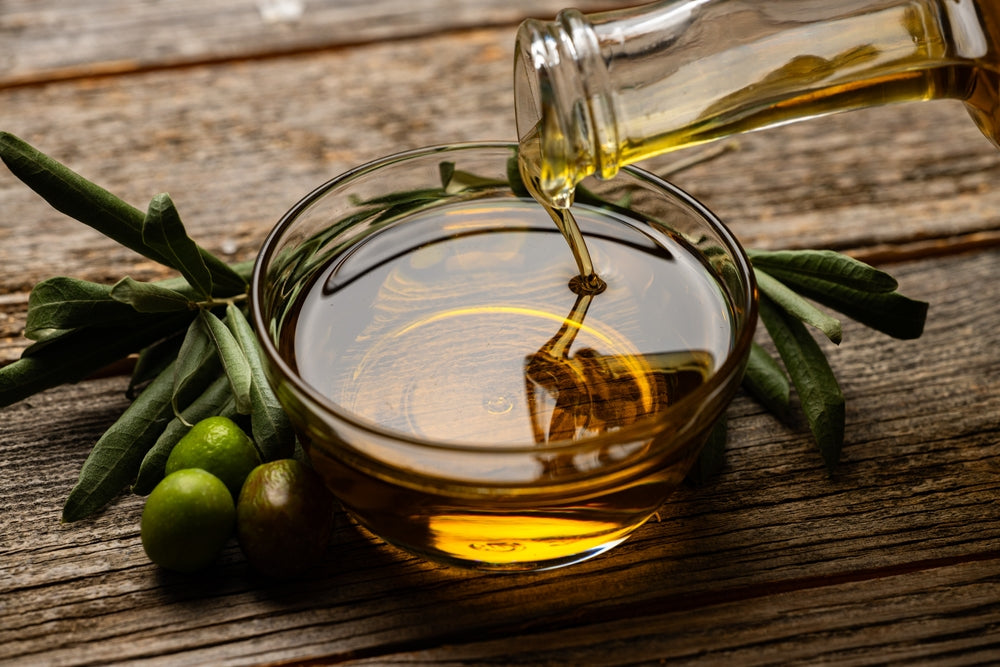
The shimmering liquid gold of olive oil has been a cornerstone of Mediterranean culture and cuisine for millennia, revered not just for its exquisite flavor but also for its profound health benefits. While both Greek and Italian olive oils hold legendary status, each boasting a rich heritage and distinct characteristics, a closer look reveals why authentic Greek olive oil often takes center stage when it comes to measurable health impact, particularly its potent polyphenol content. For those seeking true wellness benefits alongside exceptional taste, understanding the nuanced differences between
Greek vs Italian olive oil is paramount.
The Mediterranean Secret: A Legacy of Liquid Gold
The story of olive oil is deeply intertwined with the histories of Greece and Italy, cultures that have revered the olive tree for thousands of years. From ancient rituals to modern kitchens, olive oil symbolizes health, prosperity, and connection to the land. Both nations produce remarkable extra virgin olive oil, a product of pressing freshly harvested olives, rich in monounsaturated fats, antioxidants, and, of course, polyphenols. These shared benefits contribute significantly to the celebrated Mediterranean diet, promoting cardiovascular health, reducing inflammation, and offering a wealth of protective effects. However, the path each nation takes to craft their liquid gold, from specific olive varieties to harvesting practices, ultimately shapes the oil's unique profile and its concentration of these vital health compounds.
Authentic Greek Olive Oil: A Deep Dive into Polyphenol Power
When we talk about authentic Greek olive oil, we're often talking about a commitment to maximizing health benefits. Greek olive oil is renowned globally for its distinctive flavor and exceptional nutritional density. What sets it apart?
*
Koroneiki Olives: Greece is famous for its Koroneiki olives. Small in size but mighty in flavor and nutrient density, these olives deliver an intense, fruity taste. Crucially, they are naturally high in polyphenols.
*
Early Harvest for Peak Potency: Greek farmers often harvest Koroneiki olives early in the season, while they are still green. This "unripe" stage is when polyphenol levels are at their highest. The result is a vibrant, peppery oil with distinct grassy notes – a clear indicator of its rich phenolic content. The sharp, slightly bitter, or peppery sensation often felt at the back of the throat is largely due to oleocanthal, a potent polyphenol known for its anti-inflammatory properties, mimicking the effect of ibuprofen.
*
Organic and Sustainable Practices: Many Greek olive oil producers adhere to organic farming practices, ensuring the olives thrive in their natural environment without chemical intervention. This not only preserves the purity of the oil but also contributes to the overall health of the ecosystem.
*
Low Acidity: Superior quality Greek olive oils boast remarkably low acidity levels. This isn't just about taste; low acidity signifies that the olives were harvested and processed with extreme care, minimizing oxidation and preserving the oil's delicate nutrients and polyphenols, ultimately extending its shelf life.
The high concentration of polyphenols in authentic Greek olive oil provides powerful anti-inflammatory and antioxidant effects. These compounds are crucial for fighting free radicals, supporting cardiovascular health, and may even contribute to anti-cancer properties. Choosing Greek olive oil, therefore, isn't just a culinary preference; it's a conscious decision for enhanced well-being.
Italian Olive Oil: A Symphony of Flavor and Tradition
Italian olive oil is celebrated for its incredible regional diversity and culinary versatility. With a range of flavors that can complement any dish, Italian oils hold a special place in gastronomic traditions.
*
Diverse Olive Varieties: Italy boasts a large selection of olive varieties, such as Frantoio, Leccino, and Pendolino, each contributing its unique flavor profile. This diversity allows for a wide spectrum of oils, from delicate and fruity Ligurian extra virgin olive oil to bold and peppery Tuscan varieties.
*
Regional Terroir: Italy's diverse geography, with its rich soil and varied microclimates, allows different olives to thrive in specific regions, creating distinct characteristics. These nuanced flavor profiles make Italian olive oils popular choices for enhancing salads, marinades, and, of course, traditional Italian dishes.
*
Strict Quality Standards: Italian olive oil production often adheres to stringent quality standards, including the Protected Designation of Origin (PDO) certification. This guarantees that olives are grown, harvested, and processed using traditional methods within a specific geographical area, ensuring authenticity and a high standard of quality.
*
Harvesting for Mellow Flavors: While Italian olive oils do contain health-promoting monounsaturated fats, antioxidants, and polyphenols, some traditional Italian harvesting practices tend to involve picking olives later in the season when they have ripened to a purple hue. This often results in a mellower, fruitier oil with notes of almond, which is highly prized for its smooth taste but may have slightly lower polyphenol concentrations compared to early-harvest Greek oils.
Italian olive oil's strength lies in its expansive palette of flavors and its deep integration into the art of cooking, making it an indispensable ingredient for chefs and home cooks worldwide. For a more detailed look at the aromatic and taste differences, explore our
Flavor Showdown: Discovering Unique Greek and Italian Olive Oil Profiles.
Greek vs. Italian Olive Oil: The Key Differences Beyond Taste
While both are exceptional, the fundamental differences between Greek and Italian olive oil stem from climate, soil, olive varieties, and traditional farming practices, leading to distinct profiles in both flavor and health benefits:
* **Olive Varieties & Harvest:** Greece predominantly focuses on the Koroneiki olive, often harvested early and green, yielding a robust, peppery oil with high polyphenol content. Italy utilizes a multitude of varieties, with some harvested later, resulting in a broader range of milder, fruitier oils that might be lower in polyphenols, though still very healthy.
* **Flavor Profile:** Greek oil is typically characterized by strong, pungent flavors, with prominent grassy, peppery, and bitter tones – hallmarks of its high polyphenol count. Italian oils offer a wider spectrum, from delicate and fruity to bold and nutty, often with more mellow undertones.
* **Emphasis on Health vs. Culinary Versatility:** While both are healthy, Greek olive oil often emphasizes its direct health benefits through its polyphenol concentration. Italian olive oil, while still healthy, is frequently celebrated for its sheer diversity and how perfectly it complements a vast array of culinary applications.
Practical Tips for Choosing and Using Authentic Olive Oil
To truly harness the polyphenol power of authentic Greek olive oil, or to enjoy the diverse flavors of Italian olive oil, consider these tips:
1. **Look for "Extra Virgin":** This is the highest quality grade, indicating the oil was produced solely by mechanical means without chemical treatment, preserving its nutrients.
2. **Check for Harvest Date:** The fresher the oil, the higher its polyphenol content. Look for a harvest date, not just a "best by" date.
3. **Dark Bottle or Tin:** Light is an enemy of olive oil. Choose oils packaged in dark glass bottles or tins to protect them from oxidation and preserve their delicate compounds.
4. **Taste for the "Burn":** A peppery finish or slight bitterness at the back of the throat is a good sign of high polyphenol content, especially in Greek oils.
5. **Use it Fresh:** While excellent for cooking, to maximize polyphenol intake, use extra virgin olive oil drizzled over salads, finished dishes, or even consumed directly.
6. **Store Properly:** Keep olive oil in a cool, dark place, away from heat and light, to maintain its quality and health benefits.
Conclusion
In the debate of Greek vs Italian olive oil, it's clear that both offer immense value, bringing rich history, exquisite flavors, and undeniable health benefits to our tables. Italian olive oil shines with its incredible regional diversity and culinary adaptability, offering a symphony of tastes for every dish. However, for those specifically seeking to maximize their intake of health-promoting polyphenols, authentic Greek olive oil, particularly that derived from early-harvest Koroneiki olives, often stands out. Its distinctive peppery, robust flavor is a testament to its high concentration of these powerful antioxidants, making it a true superfood in the realm of healthy fats. By understanding these distinctions, you can make an informed choice, enriching your diet with liquid gold that not only delights your palate but also profoundly benefits your health.