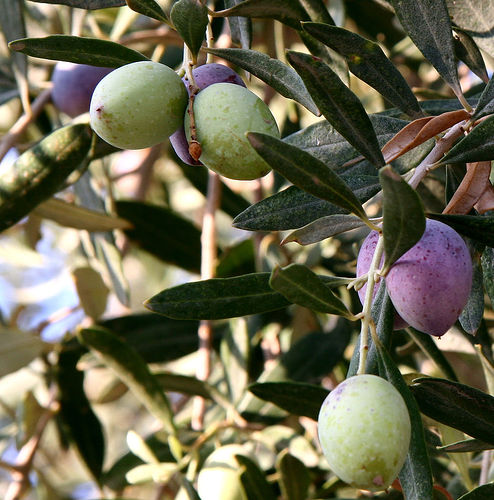
Flavor Showdown: Discovering Unique Greek and Italian Olive Oil Profiles
The Mediterranean culinary landscape is a realm of exquisite flavors, and at its heart lies a liquid gold revered by gourmands and health enthusiasts alike: olive oil. When the debate rages about the world's finest, two nations consistently stand at the forefront: Greece and Italy. Both boast a rich heritage, meticulous production, and oils celebrated for their unparalleled quality. Yet, beneath their shared prestige, a fascinating "Flavor Showdown" reveals distinct characteristics that set them apart. Understanding the nuances in
greek vs italian olive oil is key to unlocking new dimensions in your cooking and appreciating the true artistry of these liquid treasures.
A Legacy of Liquid Gold: Deep Roots in Mediterranean Heritage
The story of olive oil is profoundly intertwined with the histories of Greece and Italy. For millennia, these cultures have revered the olive tree, seeing it not just as a source of nourishment but as a symbol of peace, health, and prosperity.
In Greece, the olive tree holds an almost sacred status, often referred to as the "liquid gold" by Homer. The country is considered the cradle of olive cultivation, with evidence of olive oil production dating back thousands of years. This deep-rooted heritage means that growing, harvesting, and pressing olives are not just agricultural practices, but an integral part of the national identity, passed down through generations with an almost ritualistic dedication. Greek olive oil is synonymous with a long-standing tradition of craftsmanship, reflecting centuries of expertise and a commitment to quality that transcends mere commerce.
Italy’s relationship with olive oil is equally profound, shaped by the Roman Empire which helped spread olive cultivation across Europe. Italian olive oil is celebrated for its incredible regional diversity, a reflection of the country's varied "terroirs"—the unique combination of climate, soil, and geography that influences the character of the olives. From the sun-drenched hills of Tuscany to the coastal breezes of Liguria, each region contributes its own distinct narrative to the grand tapestry of Italian olive oil. Both nations embody the spirit of the Mediterranean diet, with olive oil as a central, indispensable pillar, shaping not just their cuisine but their very way of life.
The Art of Extraction: Production and Quality Standards
The journey from olive grove to bottle is a meticulous process, and while both Greece and Italy prioritize excellence, their approaches showcase subtle distinctions that contribute to their unique profiles.
Greek olive oil production is often characterized by its commitment to traditional, organic practices. Greek farmers are renowned for harvesting olives at their optimal ripeness stage, frequently opting for an earlier harvest. This choice is crucial: early-picked olives, though yielding less oil, produce a more intensely flavored oil rich in beneficial compounds. The emphasis on low acidity levels is a hallmark of superior Greek extra virgin olive oil, indicating careful handling and fresh, healthy fruit. This attention to detail not only enhances the oil's taste but also significantly increases its shelf life.
Italian olive oil, benefiting from rich soil and optimal climate across its diverse regions, is known for its stringent quality standards. The Italian system often employs certifications like
Protected Designation of Origin (PDO) and
Protected Geographical Indication (PGI). These certifications are more than just labels; they are guarantees that the olives are grown, harvested, and processed within a specific geographical area, adhering to traditional methods that ensure authenticity and superior quality. This rigorous oversight ensures that consumers receive an oil that truly reflects its regional heritage, providing a spectrum of flavors and intensities that are deeply tied to specific Italian locales. Both countries are dedicated to producing extra virgin olive oil, the highest grade, ensuring the oil is extracted solely by mechanical means without the use of excessive heat or chemicals, preserving its natural flavors and health benefits.
Flavor Spectrum: From Orchard to Palate
Perhaps the most significant difference in the
greek vs italian olive oil debate lies in their diverse flavor profiles, largely dictated by the olive varietals used and the specific terroir.
Greece is famously associated with the
Koroneiki olive, a small yet mighty fruit that delivers an intense, robust flavor. Oils made from Koroneiki olives are typically characterized by a strong, peppery finish, often accompanied by vibrant grassy, herbaceous, and sometimes bitter notes. Early-picked Koroneiki olives result in a beautiful green hue, signifying high chlorophyll content and a potent, fresh aroma. This bold profile makes Greek extra virgin olive oil particularly suited for finishing dishes where its assertive character can shine, such as in fresh salads, drizzled over grilled meats or fish, or as a key component in a classic tzatziki.
Italy, on the other hand, boasts an impressive array of olive varieties, contributing to a much broader flavor spectrum across its regions. Common Italian cultivars include
Frantoio,
Leccino,
Pendolino,
Moraiolo, and
Coratina, each offering unique characteristics:
- Ligurian Olive Oil (often from Taggiasca olives) tends to be delicate, fruity, and buttery with almond notes, perfect for delicate seafood or pesto.
- Tuscan Olive Oil (often from Frantoio, Leccino, Moraiolo) is known for its bold, peppery, and herbaceous notes, sometimes with hints of artichoke or almond, ideal for bruschetta or hearty soups.
- Sicilian Olive Oil can range from medium fruity to intensely robust, often with a pleasant bitterness and pungency, complementing traditional pasta dishes or roasted vegetables.
- Puglian Olive Oil (often from Coratina olives) is typically robust and fruity, with a strong peppery finish, excellent for robust stews or drizzling over rich meats.
Italian olives are often picked later than their Greek counterparts, sometimes when they have turned a purplish color, which can result in a mellower, more rounded, and fruitier oil with distinct almond notes. This diversity allows Italian olive oils to be incredibly versatile, enhancing everything from simple salads and marinades to complex traditional Italian dishes.
Beyond Taste: Health Benefits and Nutritional Powerhouses
Beyond their culinary appeal, both Greek and Italian olive oils are celebrated for their profound health benefits, making them cornerstones of the renowned Mediterranean diet. They are both rich in monounsaturated fats, particularly oleic acid, which is known to promote cardiovascular health by helping to lower bad cholesterol levels. Furthermore, they are potent sources of antioxidants and polyphenols, powerful compounds that combat oxidative stress, reduce inflammation, and may even offer anti-cancer effects. The low acidity levels found in high-quality olive oils from both nations also make them gentle on the stomach.
However, a key distinction often highlighted, especially in recent scientific studies, pertains to the concentration of these health-boosting polyphenols. Authentic Greek olive oil, particularly that derived from the Koroneiki olive and harvested early, is frequently lauded for its exceptionally high polyphenol content. These polyphenols are responsible for the peppery, pungent sensation at the back of the throat – a desirable characteristic indicating a potent, health-packed oil. This focus on polyphenol concentration is why many health-conscious consumers specifically seek out authentic Greek olive oil for its measurable impact on well-being. For a deeper exploration into this aspect, consider reading
Polyphenol Power: Why Authentic Greek Olive Oil Stands Out for Health.
Choosing Your Liquid Gold: Practical Tips and Culinary Pairings
Deciding between Greek and Italian olive oil isn't about declaring one definitively superior; it's about understanding their unique strengths and selecting the perfect match for your palate and culinary intentions.
Here are some practical tips for choosing and using your olive oil:
- Look for "Extra Virgin": This denotes the highest quality, meaning the oil has been cold-pressed and retains its natural flavors and nutrients.
- Check for Certifications: Look for PDO (Protected Designation of Origin) or PGI (Protected Geographical Indication) seals, especially on Italian oils, to guarantee authenticity and regional specificity.
- Harvest Date is Key: Fresher is always better. Look for a recent harvest date on the label. Olive oil, like juice, is best consumed within 18-24 months of bottling.
- Dark Bottles: Always choose olive oil sold in dark glass bottles or opaque containers, as light can degrade the oil's quality and beneficial compounds.
- Taste Before You Buy (If Possible): Many specialty stores offer tastings, allowing you to discover your preferred flavor profile.
When it comes to culinary pairings, let the oil's character guide you:
- Robust Greek Olive Oil: Ideal for drizzling over traditional Greek salads, lending a vibrant punch to grilled vegetables, enhancing marinades for lamb or chicken, or finishing hearty soups and stews. Its strong character holds up well to assertive flavors.
- Delicate Italian Olive Oil: Perfect for lighter dishes such as white fish, fresh pasta primavera, homemade mayonnaise, or as a subtle dressing for mild greens. Its nuanced flavor won't overpower delicate ingredients.
- Bold Italian Olive Oil: A fantastic choice for dipping crusty bread, making vibrant bruschetta, adding depth to minestrone, or as a rich finishing oil for roasted meats and rich tomato sauces.
Both Greek and Italian extra virgin olive oils are incredible investments in your health and culinary journey. For a comprehensive look at the multifaceted comparison between these two Mediterranean powerhouses, dive deeper into
Greek vs Italian Olive Oil: Unpacking Flavor, Health, and Heritage.
Conclusion
The "Flavor Showdown" between Greek and Italian olive oil reveals two distinct yet equally magnificent culinary traditions. While Greek olive oil, often characterized by its robust Koroneiki varietal, stands out for its potent peppery notes and high polyphenol content, Italian olive oil dazzles with its incredible regional diversity, offering a vast spectrum from delicate and fruity to bold and herbaceous. Both are undisputed champions of quality, health benefits, and deep-rooted heritage. Ultimately, the choice between
greek vs italian olive oil boils down to personal preference and the specific dish you're preparing. By understanding their unique profiles, you can confidently explore the rich tapestry of flavors, enhancing your cooking and elevating every meal into an authentic Mediterranean experience.